


The Perfect Wedding Coverage: How Many Hours Do You Need for Your Big Day
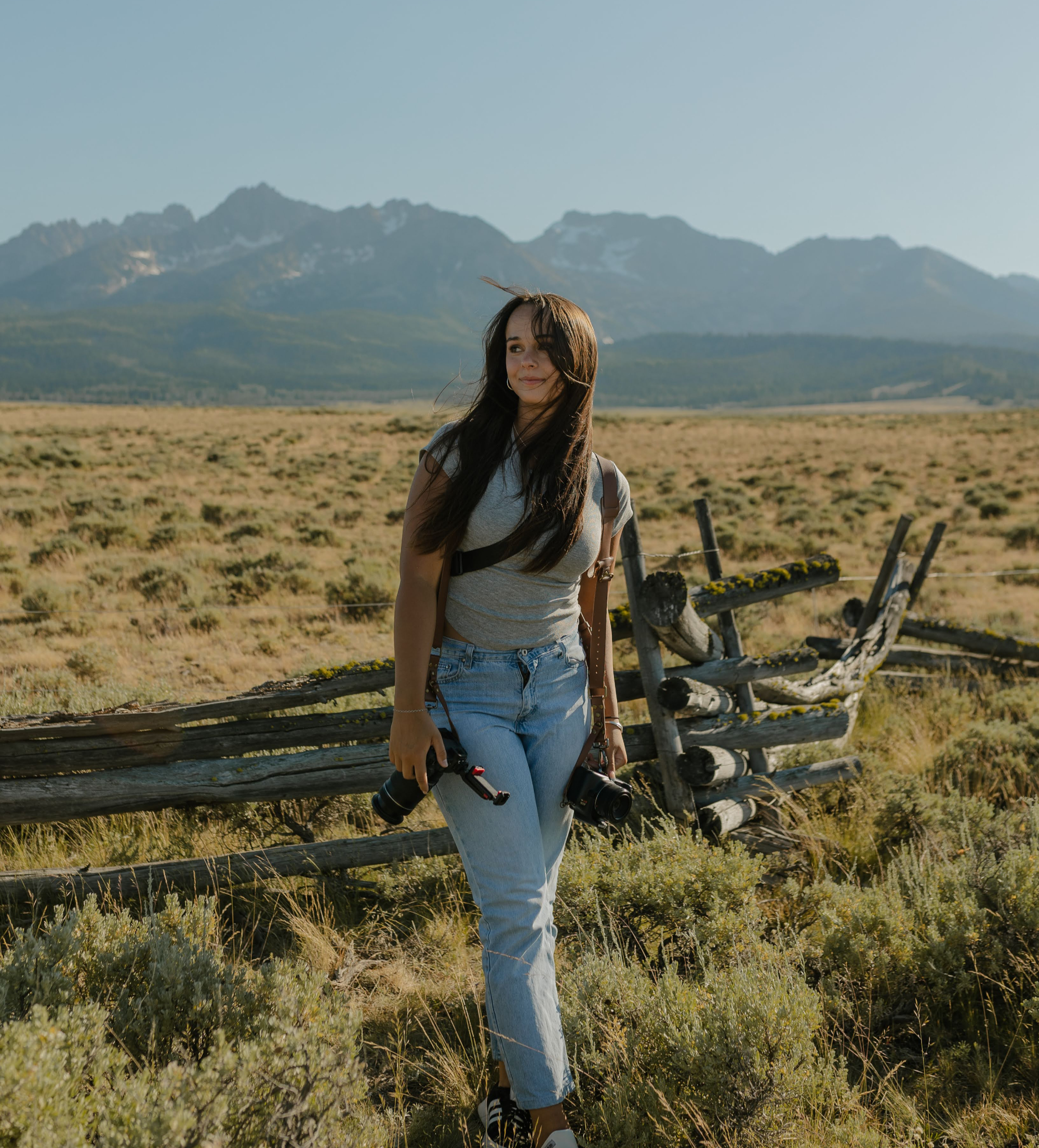
Planning a wedding involves countless decisions, but one of the most important is how long your photographer should stay to capture the day. Too little coverage risks missing key moments, while too much can feel overwhelming and costly. Finding the right balance ensures your memories are preserved without rushing through your celebration. This guide breaks down how many hours of wedding coverage you actually need, based on the size and style of your wedding from a Boise, Idaho wedding photographer!
Why Wedding Coverage Time Matters
Your wedding day is full of moments you want to remember forever: the nervous excitement of getting ready, the emotional ceremony, the joyful celebrations with family and friends. A photographer’s job is to capture these moments naturally and beautifully. But if the coverage is too short, some parts might be missed or feel rushed. If it’s too long, you might feel pressured to keep moving, which takes away from enjoying your day.
Choosing the right amount of coverage helps you:
Capture all the important events without stress
Enjoy your day without feeling like you’re on a schedule
Get a complete story of your wedding from start to finish

Minimum Coverage: 6 Hours for Intimate Weddings
For small, intimate weddings, 6 hours of coverage is often enough. This timeframe covers the main parts of the day without rushing. It usually includes:
Getting ready
Ceremony
Couple portraits
Part of the reception or celebration
With 6 hours, photographers can focus on the key moments and still allow couples to relax and enjoy their day. This option works well for weddings with fewer guests or simple celebrations where the timeline is shorter.
Example:
A couple having a backyard wedding with 30 guests might choose 6 hours. The photographer arrives as the couple gets ready, captures the ceremony, some portraits, and stays for the first hour of the reception. This way, the couple gets beautiful photos without feeling like they need to rush through the day.
The Most Popular Choice: 8 Hours for Average Weddings
Eight hours is the most common coverage time for weddings. It offers thorough coverage of the day, including:
Getting ready for both partners
Ceremony
Couple and family portraits
Reception highlights, including speeches, first dance, and party
This length suits average-sized weddings where there are more guests and a longer celebration. It provides a complete story of the day, from the quiet moments before the ceremony to the lively party afterward.
Example:
A wedding with 100 guests at a venue might book 8 hours. The photographer starts with the bride and groom getting ready, captures the ceremony, takes formal portraits, and stays through the first part of the reception. This coverage ensures no important moment is missed and gives a balanced view of the day.

Full Day Coverage: 10 Hours for Large Celebrations
For large weddings or couples who want every moment documented, 10 hours of coverage is ideal. This option covers:
Extended getting ready sessions for both partners and wedding party
Full ceremony
Detailed couple and family portraits
Entire reception, including speeches, dances, cake cutting, and party
Ten hours gives photographers the flexibility to capture the full story without missing any detail. It suits weddings with many guests, multiple locations, or long receptions.
Example:
A couple hosting a large wedding with 200 guests and multiple events throughout the day might choose 10 hours. The photographer arrives early to capture hair and makeup, follows the couple to the ceremony, stays for formal portraits, and covers the entire reception. This ensures a rich collection of photos that tell the full story.
Factors to Consider When Choosing Coverage Time
Choosing the right coverage depends on more than just wedding size. Consider these factors:
Timeline: How long will your wedding day events last? If you have a long reception or multiple locations, more coverage is needed.
Must-have moments: Identify the key moments you want photographed. If you want getting ready shots or the full party, plan accordingly.
Budget: Longer coverage costs more. Balance your priorities with your budget to find the best fit.
Photographer style: Some photographers work faster or slower. Ask how much time they need to capture your day well.
Guest count: Larger weddings usually require more coverage to capture all important interactions.

Tips for Making the Most of Your Wedding Coverage
Plan your timeline carefully. Share it with your photographer so they know when key moments happen.
Communicate your priorities. Let your photographer know which moments matter most to you.
Avoid rushing. Build in buffer time between events to keep the day relaxed.
Consider a second shooter. For large weddings, a second photographer can cover more angles and moments.
Review packages. Some photographers offer add-on hours if you want extra coverage later.
What Happens If You Choose Too Little Coverage?
If your coverage is too short, you might miss:
Getting ready moments
Important parts of the ceremony or reception
Family or group portraits
Candid moments during the party
This can leave gaps in your wedding story and cause regret later. Couples often find they wish they had booked more time to capture everything.
When Is More Coverage Not Necessary?
If your wedding is very small or simple, extra hours might not add value. For example:
Elopements or micro weddings with fewer than 20 guests
Civil ceremonies with no reception
Quick courthouse weddings
In these cases, 4 to 6 hours might be enough to capture the essentials without extra cost.
Final Thoughts on Wedding Coverage Time
Choosing the right number of hours for your wedding coverage depends on your wedding size, style, and priorities. Six hours works well for intimate weddings, eight hours suits most average-sized celebrations, and ten hours covers large, full-day events. Planning your timeline carefully and communicating with your photographer ensures you get beautiful photos without feeling rushed.
Your wedding day is unique. The right coverage lets you enjoy every moment while preserving memories that last a lifetime. Talk with your photographer early to find the best fit for your big day.

Thanks for reading!
BRL CREATIVE
Brooklyn R. Lindley - Boise Idaho Wedding Photographer


Comments