


Your Guide to Crafting the Perfect Wedding Timeline
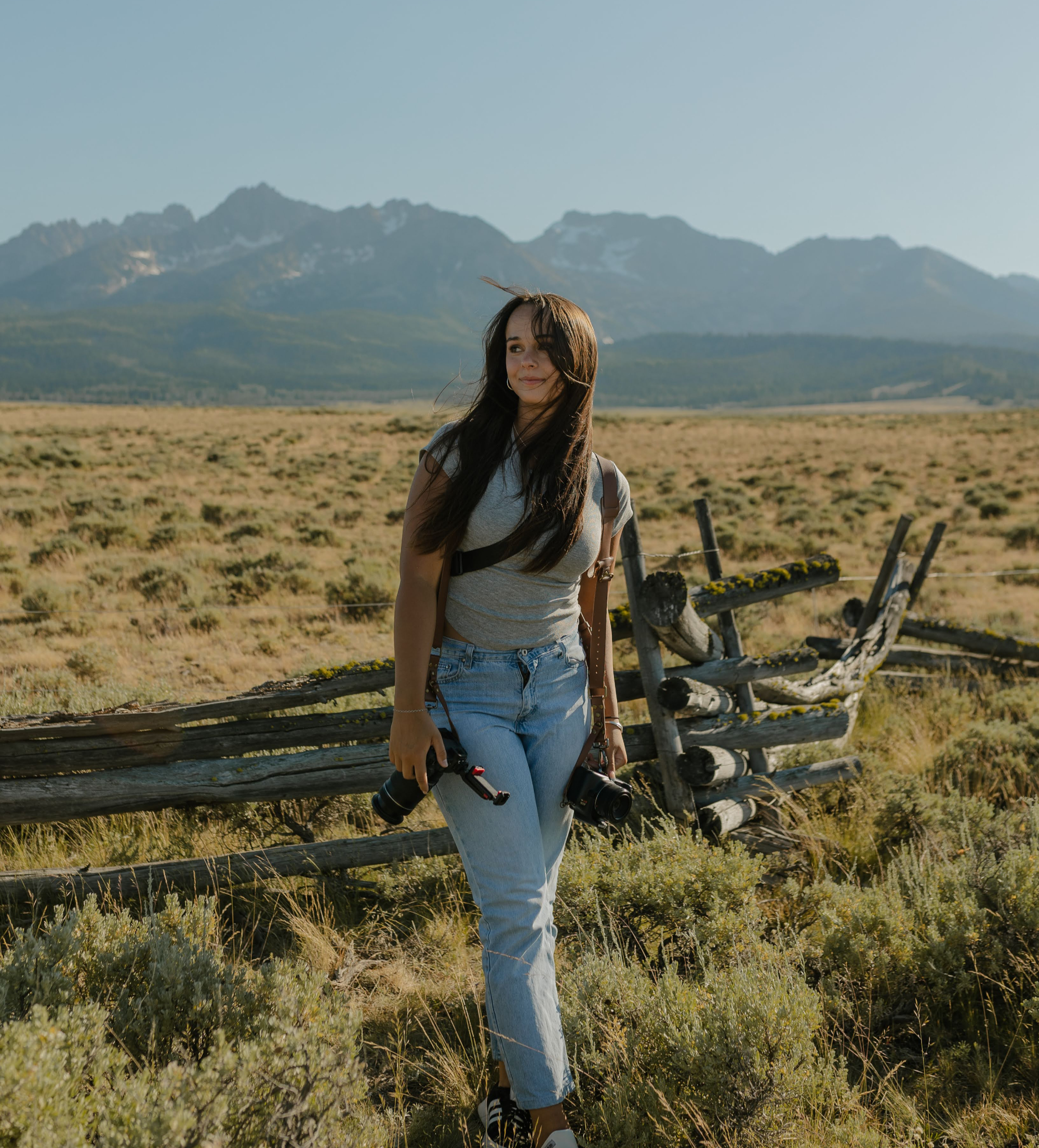
Planning your wedding day timeline can feel overwhelming. You want to capture every special moment without feeling rushed or missing out on anything important. Knowing how to best plan a wedding timeline that fits your style and schedule will help you enjoy the day fully and create lasting memories. As a Boise Idaho wedding photographer, I have my packages broken into six-hour, eight-hour, or ten-hour timelines! This guide will walk you through the best approach to design a smooth, stress-free wedding day.

Why Your Wedding Timeline Matters
A well-planned wedding timeline keeps your day organized and ensures your photographer captures all the key moments. It also helps your bridal party, family, and vendors know what to expect and when. Without a clear schedule, you risk feeling rushed or missing out on important photos and events.
The length of your timeline depends on your priorities and the style of your wedding. For example, a wedding timeline with first look allows for more relaxed portraits before the ceremony, while a shorter timeline might focus on the ceremony and reception only.
Whether you choose to do a first look or not, you can always adjust your timeline. Just research what time sunset is going to be on your wedding day so you aren't scrambling to beat the sun. And if you do all photos after the ceremony, just be prepared to miss most of cocktail hour.
Choosing the Best Time of Day to Get Married
One of the first decisions is picking the ceremony time. The best time of day to get married is often 2-3 hours before sunset. This timing offers beautiful natural light for photos without the harsh glare of midday sun. If your ceremony is earlier, be aware that guests or bridal party members might face the sun, which can be uncomfortable or cause squinting in photos.
Planning your ceremony around this window also gives you flexibility for sunset portraits, which add a romantic glow to your wedding album.
How to Plan a Wedding Timeline Based on Duration
6-Hour Wedding Timeline (Minimum Recommended)
A six-hour timeline is the shortest I recommend. It allows enough time for key moments without rushing, especially if you want a wedding timeline with first look.
Example 6-hour timeline:
1:00 PM – Photographer arrives, detail shots (dress, rings, invitation suite)
1:30 PM – Getting ready photos (bride and/or groom)
2:00 PM – First look and couple portraits
2:30 PM – Wedding party portraits
3:00 PM – Family portraits
3:30 PM – Ceremony
4:00 PM – Post-ceremony couple portraits (optional)
4:30 PM – Reception begins (grand entrance and dinner)
5:30 PM – Toasts and first dances
7:00 PM – Photographer departs
This timeline keeps things moving but still gives you time for relaxed portraits and important family photos.
8-Hour Wedding Timeline (Most Popular)
The eight-hour timeline is the most popular choice because it balances coverage and comfort. It gives you more time for candid moments and guest interactions during the reception.
Example 8-hour timeline:
12:00 PM – Photographer arrives, detail shots (dress, rings)
12:30 PM – Getting ready photos (bride and/or groom)
1:30 PM – First look and couple portraits
2:15 PM – Wedding party portraits
2:45 PM – Family portraits
3:30 PM – Ceremony
4:00 PM – Post-ceremony couple portraits and sunset photos
4:45 PM – Reception begins (grand entrance and dinner)
5:45 PM – Toasts and first dances
6:30 PM – Candid moments, guest interactions, and dancing
8:00 PM – Photographer departs
This schedule allows for a natural flow from preparation to celebration, with plenty of time for photos and fun.

10-Hour Wedding Timeline (For Full Coverage)
If you want to capture every detail and moment without feeling rushed, a ten-hour timeline is ideal. This is perfect for larger weddings or when you want extensive coverage of getting ready, portraits, ceremony, and reception. This is most popular if you have a grand exit that you want professional photos of!
Example 10-hour timeline:
12:00 PM – Photographer arrives, detail shots (dress, shoes, rings)
12:30 PM – Getting ready photos (final touches for bride and/or groom)
1:30 PM – First look and couple portraits
2:15 PM – Wedding party portraits
2:45 PM – Family portraits
3:30 PM – Ceremony
4:00 PM – Post-ceremony couple portraits and sunset portraits (if timing allows)
5:00 PM – Reception begins (grand entrance and dinner)
6:00 PM – Toasts and first dances
6:45 PM – Cake cutting and parent dances
7:30 PM – Candid moments and dancing
9:30 PM – Grand exit or final group shot
9:45 PM – Photographer departs
This timeline gives you the most flexibility and ensures no moment is missed.
Tips for Creating Your Wedding Timeline
Start with the ceremony time: Decide when you want to say your vows, ideally 2-3 hours before sunset.
Include a first look: This helps reduce stress and gives you time for portraits before the ceremony, especially if you want to participate in your cocktail hour.
Public or Private Vows: Decide if you want to read your vows at the alter, during a first look, or after the ceremony. These often do not take long but do require their very clear moment in the day!
Plan buffer time: Add 10-15 minutes between events to avoid feeling rushed.
Coordinate with vendors: Share your timeline with your photographer, planner, and venue to keep everyone on the same page. Your photographer and/or coordinator will also help you fine tune your timeline to ensure everything has its place!
Prioritize must-have photos: Make a list of essential shots so your photographer can plan accordingly - a Pinterest board is also a great option.
Consider your guests: Plan breaks and transitions smoothly to keep guests comfortable and engaged and not standing around for too long!

If You Don't Want To Do a First Look, How Does This Change Things?
A first look is not for everybody. Because sometimes there is nothing like a groom seeing his bride walk down the aisle! It all comes down to personal preference. This is YOUR wedding day, there is no right or wrong, just what you want your day to look like. If you decide to do the first look at the aisle, all photos will take place immediately after the ceremony. Personally I like to capture that "just married feeling" and do some of bride and groom right after. Then I like to move into family photos before everyone breaks off. Pro tip: having a written list of all family members (by name) and their groupings will make this go by much faster. Next is the full bridal party, assuming we were able to do bride+bridesmaids and groom+groomsmen before the ceremony. After all the groups are done, I excuse everyone to cocktail hour and do photos of just the bride and groom before they make their grand entrance.
There is no right or wrong way to organize your day. But from a wedding photographer's POV I always want to get all portraits finished before the sun goes down! Your photographer is always a great resource to helping you plan your timeline based on exactly what you are looking for.
Final Thoughts on Planning Your Wedding Timeline
Knowing how to plan a wedding timeline helps you enjoy your day without stress. Whether you choose a six-hour, eight-hour, or ten-hour schedule, the key is to build in enough time for photos, ceremony, and celebration without rushing. A wedding timeline from a photographer perspective ensures you capture every meaningful moment beautifully.
Start by deciding your ceremony time based on the best light, include a first look to ease nerves, and leave room for candid moments. With a clear plan, your wedding day will flow smoothly, letting you focus on what matters most: celebrating your love!
Always a blast chatting with you,
Brooklyn R. Lindley - BRL Creative
Idaho + Travel Wedding Photographer


Comments